
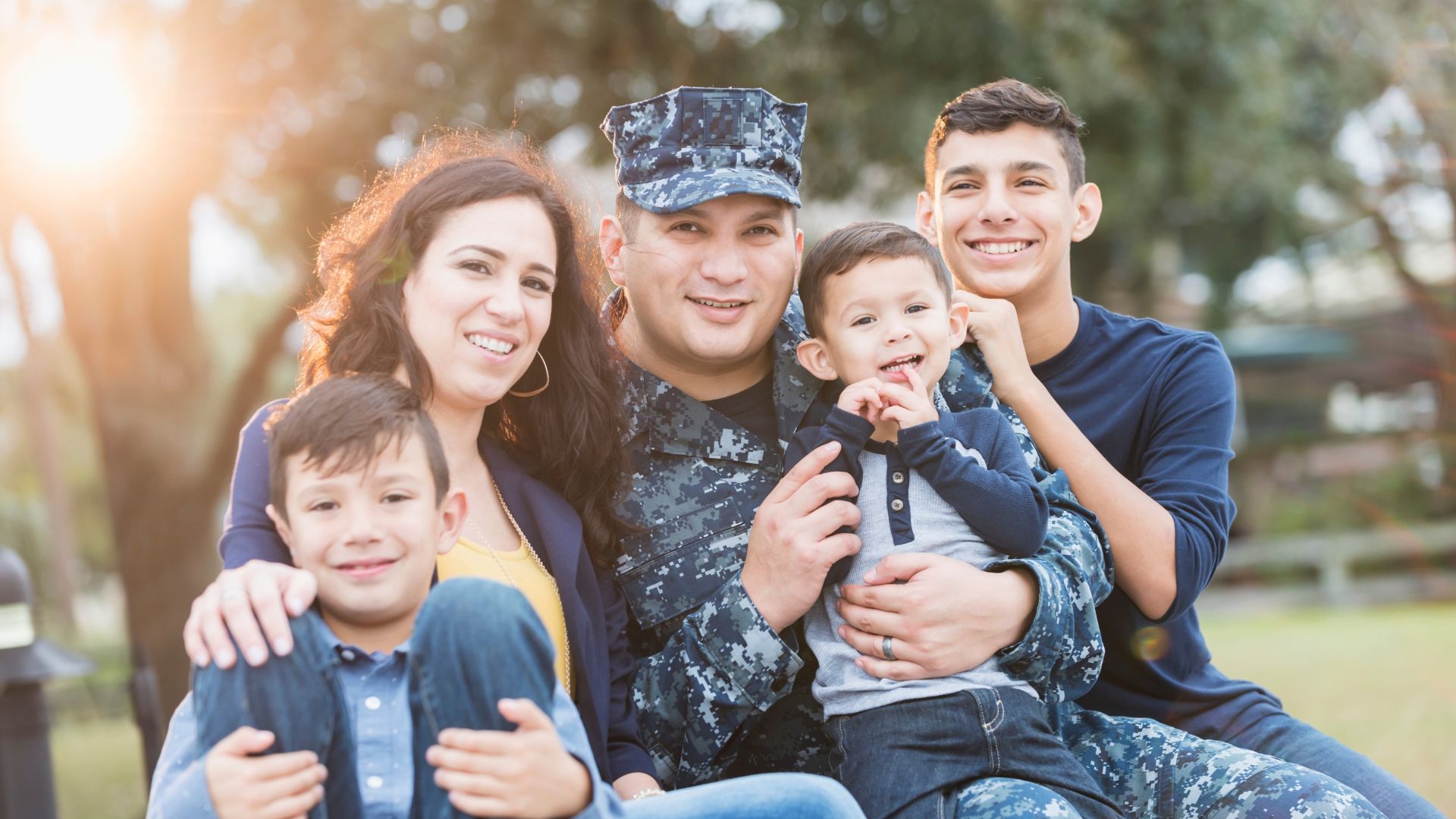
A PCS move changes far more than your address. Routines, friendships, schools, jobs, and your sense of home can all shift within weeks. This guide explains how military families can protect their mental health before, during, and after a relocation. You will find practical steps, realistic timelines, and clear signs that extra support may help. Blue Heron Counseling offers online counseling for military families across Florida.
The most reliable way to cope with PCS stress is to plan for emotions as deliberately as you plan for logistics. Moving boxes get a checklist, and your family's mental health deserves one too.
Quick tip: Set a daily 15 minute "no moving talk" break so the whole household can rest.
Emotional preparation starts the moment orders arrive, and a little planning early can soften the hardest weeks later. Treat the weeks before the move as a time to get ready, not only a time to pack.
Quick tip: Create a "first night box" with bedding, snacks, and comfort items so the first evening in the new home feels calm.
Housing, orders, school records, and travel plans can swallow your energy. Managing them in a smart way leaves more room for your family's emotional needs.
If stress starts to feel like constant dread or you cannot switch off, it may be time to talk with a counselor.
There is no single timeline, and comparing your family to others rarely helps. Many families notice a general pattern, though.
Logistics dominate. Fatigue, irritability, and a feeling of living out of place are common. Focus on sleep, simple meals, and getting essential routines running.
The adrenaline fades and the reality of the new place sets in. Loneliness or homesickness often rises here. Start building rhythm with regular school and work routines, a weekly outing, and one new social contact.
Many families begin to feel more settled as familiar patterns form. If someone still feels stuck, withdrawn, or overwhelmed, that is useful information, not a failure. It may be a good time to talk with a counselor.
The first week sets the tone for the months ahead. Aim for stability and small wins instead of a perfectly unpacked house.
Quick tip: Put a few familiar items, such as photos or a favorite blanket, in each person's space on day one.
Stress after a move exists on a spectrum, and knowing where your family falls helps you decide what to do next.
Typical stress (the softer end):
Signs it may be more than stress (the harder end):
If any of the second list sounds familiar, counseling can help. If anyone is in crisis, call 911 or call or text 988. Service members, veterans, and their families can press 1 to reach the Military and Veterans Crisis Line.
Most PCS mistakes come from running on adrenaline and putting feelings on hold. Here are the common ones and what to do instead.
Both formats can work, and the better fit depends on your move.
Online counseling:
In-person counseling:
Telehealth is generally tied to the counselor's licensure in the state where you are located. A move out of Florida typically means finding a counselor licensed in your new state.
A PCS can strain even a strong relationship. Packing, travel, housing searches, and new schedules leave little room for each other, so protecting your connection takes intention.
If arguments are growing or you feel like roommates instead of partners, couples counseling can help you reset your communication.
Keep your own identity on the plan: job search, hobbies, friendships, and goals. Build a support network that belongs to you, not only the one that comes with the unit.
A new command can pull your attention away from home. Block time for family adjustment and ask how everyone is coping, not just whether the boxes are unpacked.
Give them a voice. Let them help choose a room layout or plan the first weekend outing. Expect grief about leaving friends, and give teens extra patience and privacy. Peer and school struggles after a move are common reasons families seek counseling.
A support network rarely appears on its own after a PCS, so it helps to build one on purpose. Start with the options closest to you and add more over time.
If building connections still feels out of reach after a few months, that is common, and it is a good reason to talk with a counselor.
What is a PCS move?
A permanent change of station is a military reassignment to a new duty location, usually involving a full household relocation.
Is it normal to feel sad or anxious after a PCS?
Yes. Mixed emotions are common. Symptoms that last for weeks and interfere with daily life deserve support.
How can I help my child adjust after a PCS?
Keep routines steady, listen without rushing to fix, and give them choices in the new space.
How do I make friends after a PCS move?
Start small with one recurring activity, then follow up with the people you meet. School, neighborhood, and community groups all help.
Can a PCS affect my marriage?
Yes. Workload and uncertainty can increase conflict. Regular check-ins, shared tasks, and couples counseling can help.
Should I see a counselor before or after the move?
Either works. Before helps you plan, and after helps you adjust.
Can online counseling work for military families?
Yes. Video or phone sessions can fit around unpredictable schedules and a mobile lifestyle.
Does Blue Heron Counseling take insurance?
No. It is a self-pay practice, with a card kept on file and charges made at the time of service.
What are signs a teen is struggling after a move?
Withdrawal, dropping grades, sleep changes, and irritability that lasts beyond the first few weeks.
When should I get immediate help?
If anyone is in danger or thinking about self-harm, call 911 or call or text 988.
If your family is facing a PCS, Blue Heron Counseling provides online counseling for individuals, couples, and families across Florida. Emily Reed is a military spouse of more than 10 years who understands relocation firsthand. Contact us to schedule, or explore our counseling services.