
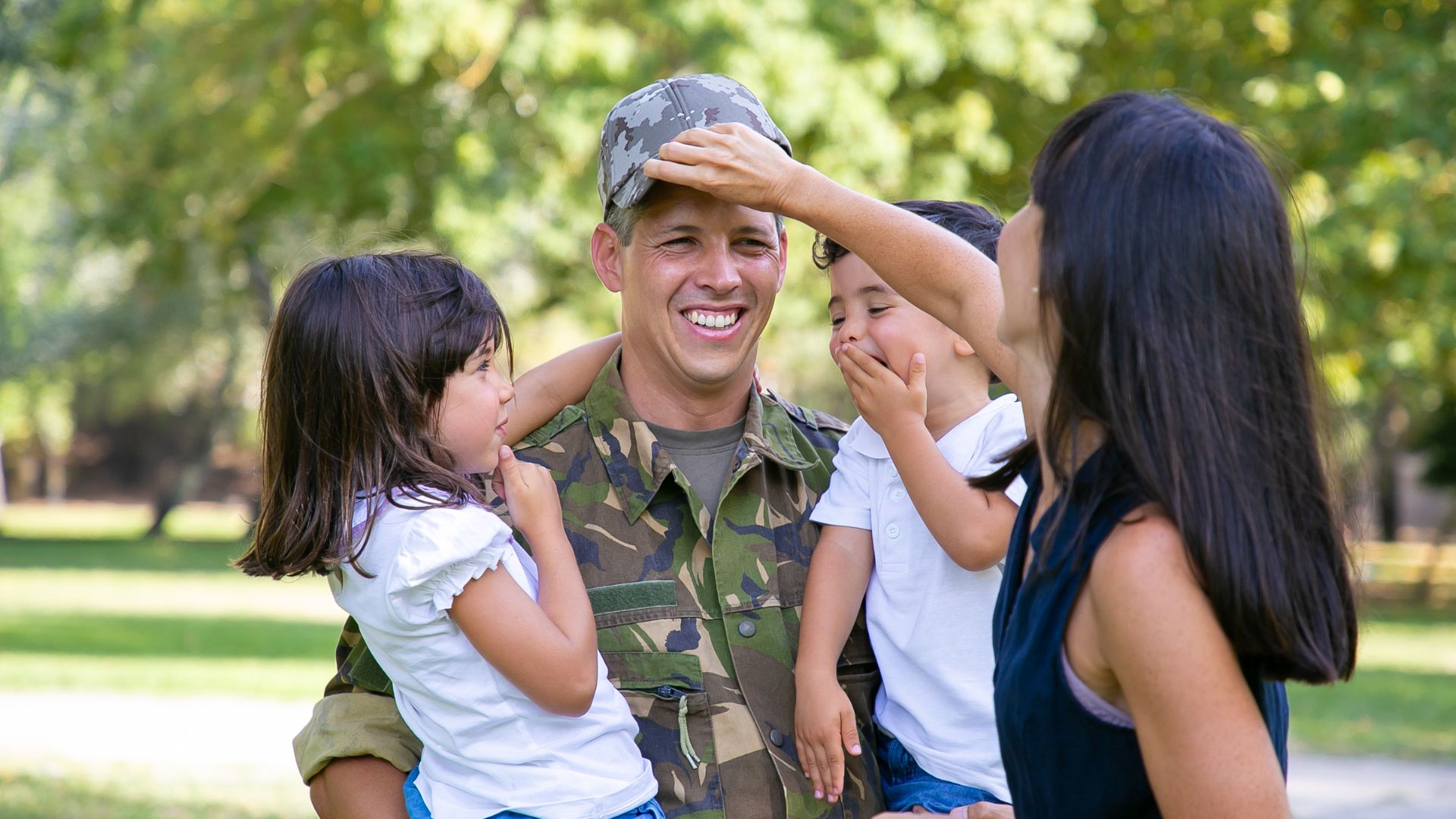
Homecoming is a happy moment, and it is also a major transition. After months apart, both partners have changed, and the household has found new routines. Reintegration is the process of reconnecting and adjusting to life together again. This guide explains what couples can expect, how long it often takes, common challenges, and when counseling can help. Blue Heron Counseling offers online counseling to military couples and families across Florida.
Reconnecting works best when you treat it as a shared project instead of a return to the way things were.
Quick tip: Schedule a weekly check-in with one question: "What is working, and what would help?"
Both partners have lived through experiences the other did not see. Talking about them openly helps you understand each other and avoids unspoken resentment.
If conversations keep turning into arguments, a counselor can help you practice new ways to talk and listen.
The first day is emotional and tiring. Keep it simple and let the family adjust at its own pace.
There is no perfect homecoming. Warmth and patience matter most, and the real work of reconnecting continues over the following weeks.
Quick tip: Keep your phone away for the first hour so the focus stays on each other.
There is no fixed timeline, and each couple moves at its own pace. A general pattern can still be a helpful guide.
Excitement and fatigue often mix. Expect jet lag, disrupted sleep, and a need for rest. Keep plans simple.
Routines collide. Questions about discipline, finances, and household tasks can surface. Patience and clear communication help most.
Couples often find a new rhythm. Some tension may linger, particularly around roles or emotional distance. If the strain does not ease, a counselor can help you work through it.
Most couples fall somewhere between the two, and a rough patch is not a verdict on your relationship.
Smoother reintegration often includes:
A rockier reintegration may include:
If you notice the second list, counseling can help. If anyone is in crisis, call 911 or call or text 988. Service members, veterans, and their families can press 1 to reach the Military and Veterans Crisis Line.
Many couples are surprised by how much effort reconnection takes. Struggling does not mean something is wrong with your relationship, and there are practical steps you can take.
If anyone feels hopeless, unsafe, or unable to function, seek help right away and call 911 or call or text 988.
Quick tip: Set a weekly 20 minute talk about what is going well and what needs adjusting.
Most mistakes come from expectations that do not match reality.
Both approaches can work, and the right choice depends on your family.
A big celebration:
A quiet homecoming:
Many families blend both: a quiet first day or two, then a gathering once everyone has rested.
Children and parents both need time to relearn each other. Differences in rules and routines are common and can be solved with teamwork.
If parenting disagreements keep returning, family counseling can help everyone find a shared approach.
Quick tip: Keep a short family routine, such as Friday game night, so everyone has something steady.
Bills, budgets, and chores changed while you were apart. Reviewing them together prevents hidden tension and builds teamwork.
Respect and clear communication matter more than who is right, and a calm tone makes both easier.
Quick tip: Use a shared note or app to track bills and tasks so both partners see the same picture.
Give yourself time to decompress and be patient with a household that ran without you. Ask how things work now before changing them, and share what you are feeling.
Be honest about what changed and what you need. Allow your partner time to learn the household again, and keep some of your own independence and routines.
Young children may be shy or clingy, and teens may be distant or test limits. Offer short, low pressure time together such as a game, a meal, or a walk. Keep routines steady and be patient with mixed feelings.
Closeness often returns gradually, and that pace is healthy. Pressure to feel instantly connected can create distance, while patience gives trust room to grow.
Every couple's pace is different, so measure progress by direction, not speed.
What is deployment reintegration?
The process of reconnecting as a family and adjusting to daily life together after a service member returns.
Why is homecoming sometimes hard?
Both partners have changed, and routines, roles, and expectations have shifted during the separation.
How long does reintegration take?
It varies by couple and family. Many people notice a gradual adjustment over weeks to months.
How can couples rebuild intimacy after deployment?
Go slowly, spend time together without pressure, talk openly, and rebuild trust in small steps.
How do we split household duties after homecoming?
Talk through what changed, then decide together who handles what, instead of assuming the old setup returns.
What if my spouse seems distant after returning?
Some distance is common. Share your feelings gently, give space, and consider counseling if it persists.
How do I help my child reconnect with a returning parent?
Offer short, relaxed activities, keep routines steady, and let the child set the pace.
Can counseling help with reintegration?
Yes. Counseling gives couples a structured space to improve communication and work through the transition.
Does Blue Heron Counseling offer couples counseling online?
Yes. Couples counseling is available by video or phone for people in Florida, and the practice draws on the Gottman Method for couples.
When should I get immediate help?
If anyone is in danger or thinking about self-harm, call 911 or call or text 988.
If you are preparing for homecoming or working through the adjustment, Blue Heron Counseling offers online couples and family counseling across Florida. Emily Reed is a military spouse of more than 10 years who has seen deployment and reintegration firsthand. Contact us to schedule, or explore our counseling services.